Life Transitions
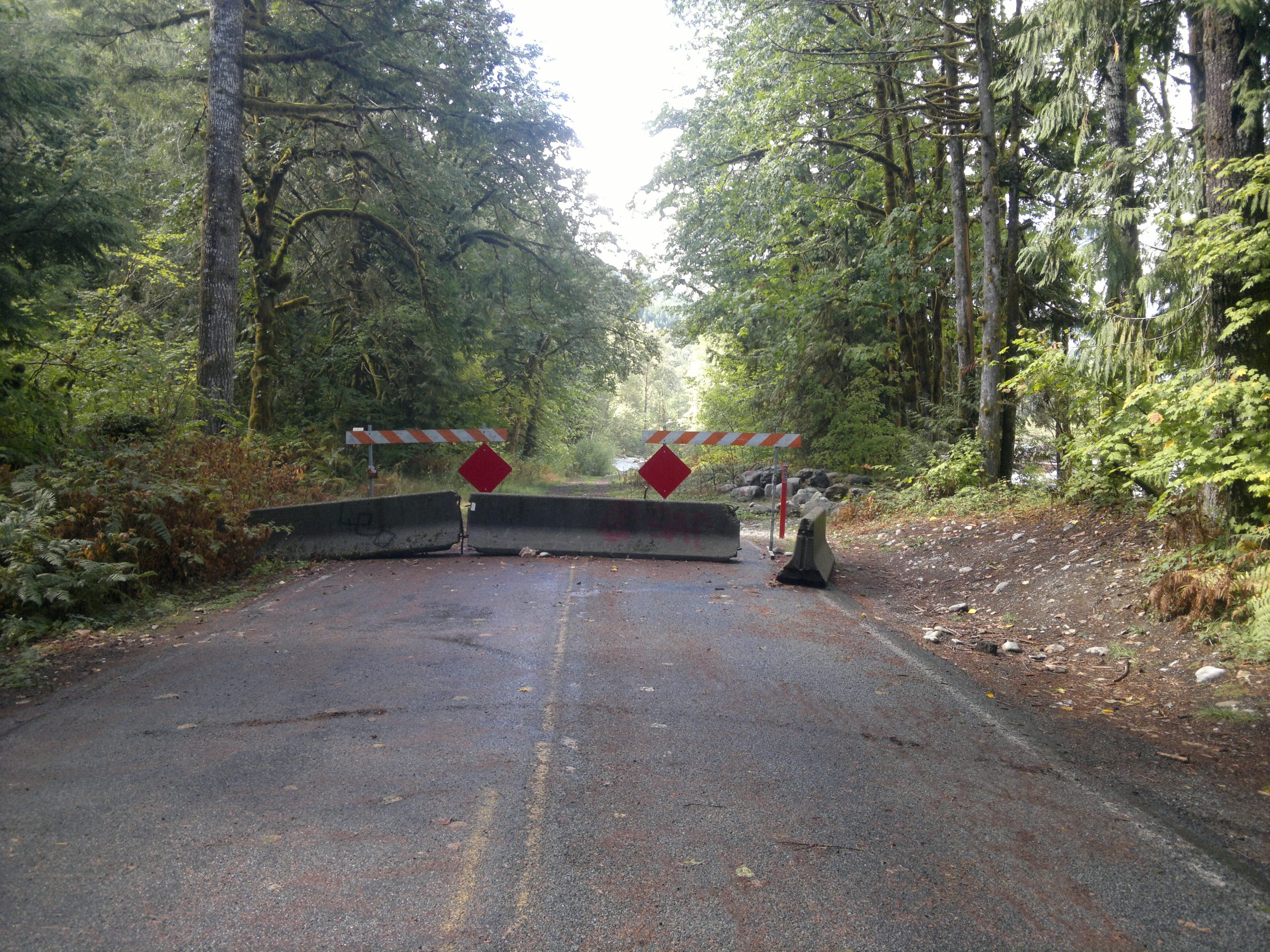
When the road forward isn’t the road you were on
There are more unknowns in life than knowns. The two big knowns are death and taxes — and I’d add a third to that list: transitions. They are coming, whether we want them or not.
We go to college. We move out of the childhood home. We get married, get divorced, become a parent. We support ourselves financially for the first time, then retire. We get old. We watch our parents decline and die. We lose jobs, start over, reinvent ourselves. The list goes on and on, and it never really stops.
Ideally, we become adept at fluidly shifting from one role to the next as life requires. But when we get stuck — when we can’t make the shift, when the old role no longer fits and the new one hasn’t taken shape yet — that’s when transitions become genuinely painful. That’s when support makes a real difference.
It’s okay if this is hard
Difficulty with transitions is not a character flaw. It’s often the natural result of not having been given adequate support to navigate them in the first place.
When I went to college, my parents helped me move into my dorm room, took me to lunch, and then drove away. I was on my own for the first time in my life, and they would soon be a thousand miles away. The first thing I did was find the nearest bathroom, go into a stall, close the door, and cry. It was overwhelming — and I didn’t even have a safe place to have my feelings, because my new roommate was a stranger I didn’t yet trust with my tears.
So I cried in isolation. Then I pulled myself together, said to myself — borrowing a phrase from Doctor Who that had become a personal mantra — brave heart, Tegan, took a deep breath, and got up to figure out what being an independent adult actually involved. Much of that education came through the school of hard knocks.
I tell that story because I think it’s more common than we admit. Transitions are often navigated alone, in bathroom stalls, without anyone naming what’s actually happening or offering to help carry it.
When the path forward isn’t the one you wanted
Some transitions are chosen. Others arrive uninvited and stay for years.
I think about my own transition from environmental engineering into counseling. It wasn’t a change I wanted — in fact, I fought it for years. And yet, years before I was fighting that transition, I had been offered what looked like my dream job: water quality engineer for the state of Michigan, one of only a handful of people doing that work. I turned it down. Something told me that wasn’t the path I was being invited into.
A few years later came graduate school, and a complete reinvention of what my professional life would look like. That transition was messy, nonlinear, and took far longer than I expected. It also turned out to be exactly right.
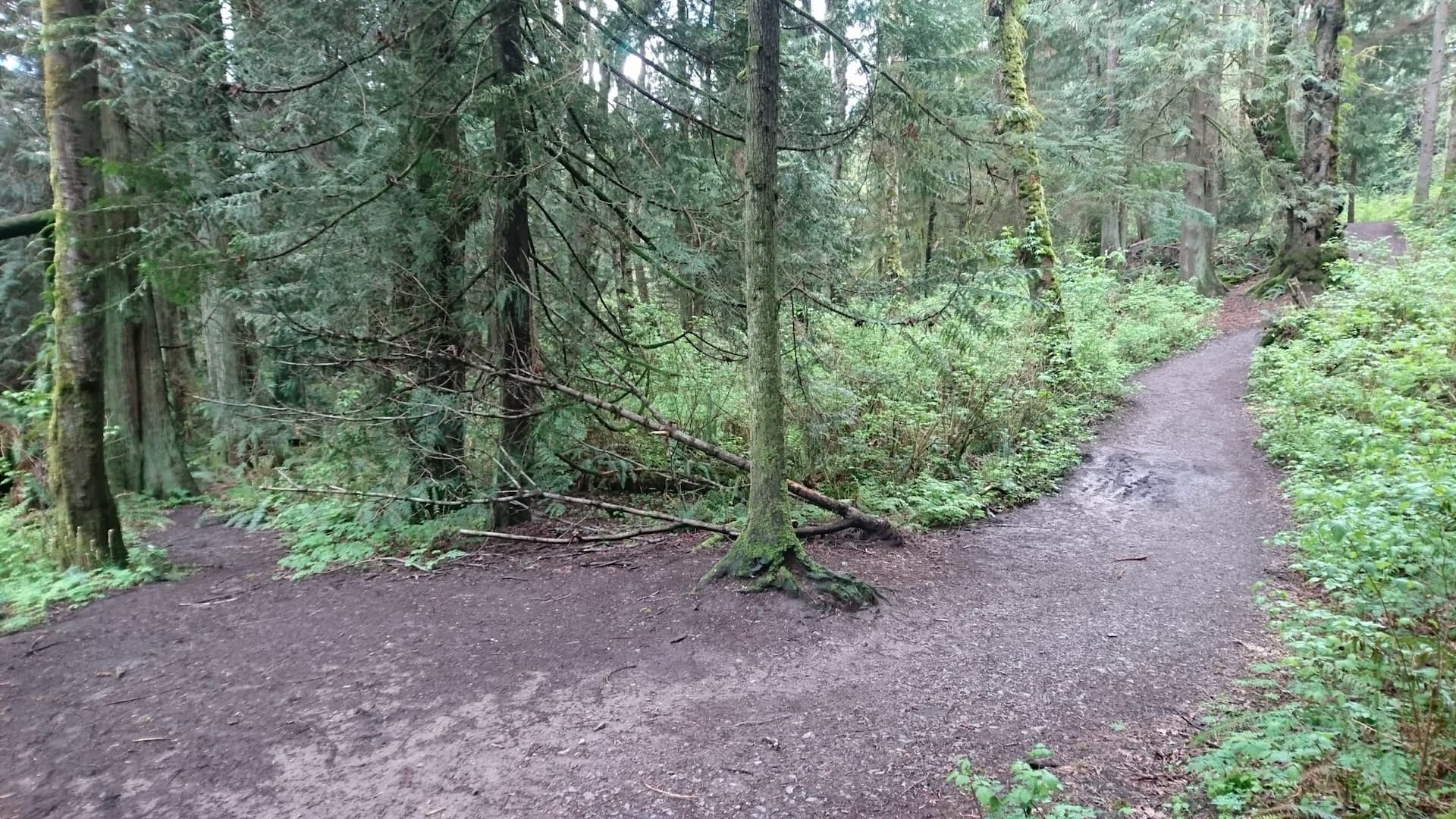
Sometimes the hardest transitions aren’t about obstacles — they’re about choosing between two good paths.
Not all transitions involve a blocked road. Some are forks — two real options, both viable, neither obviously wrong. That kind of transition carries its own particular weight: the grief of the path not taken, even when the chosen path is good.
What the work looks like
Some transitions are quick. Others linger over years. All of them are significant turning points on the road of life, and all of them deserve more than white-knuckling through alone.
In this work, we name what’s actually happening — which is often the first relief. We look at what the transition is asking of you, what it’s taking from you, and what it might be making possible. We explore what’s getting in the way of moving forward, and we develop a clearer sense of what forward actually looks like for you specifically.
We also look beneath the transition itself — because difficult transitions often surface older material. The college student crying alone in a bathroom stall isn’t just navigating a new school. She’s navigating everything she was never taught about being on her own. That’s the work worth doing.
You don’t have to figure this out alone
Whatever transition has brought you here — expected or not, chosen or not — there’s value in having someone walk it with you.