ACOA
Adult Children of Alcoholics & Dysfunctional Families
I was ten years old. My bedroom was on the second floor.
One school night, as bedtime approached, there was a commotion. I went upstairs to find my oldest brother — sixteen years old — had crawled out of my bedroom window and was hanging above the asphalt below. My mother screamed at him to come back inside. My father ran downstairs and outside to break his fall. He let go. My father caught him. There was more yelling. Eventually the house went quiet.
I went to bed.
The next morning I got up, poured a bowl of Captain Crunch, got my glass of orange juice, got ready for school, and went to school. It was as if nothing had happened. Nothing was ever said about that night again — not by my parents, not by my brothers, not by me. Just another day.
This was the way of my family: don’t talk, don’t trust, don’t feel.
I didn’t know then that this was unusual. It was just how things were. You learn to read the silence. You learn to absorb what happens and keep moving. You learn — because you have to — that your feelings are not welcome here, that what just happened didn’t really happen, that the appropriate response to chaos is to pour your cereal and go to school.
You build a wall. You get very good at it. And for a long time, it works.
What ACOA means
ACOA stands for Adult Children of Alcoholics and Dysfunctional Families. It’s a framework that describes the lasting impact of growing up in a home where significant dysfunction was present — and where, as a result, the emotional needs of the child were consistently unmet.
The name includes alcoholism because that’s where the research began. But the concept reaches much further. Any of the following can create the kind of family dysfunction that shapes a child in lasting ways: addiction of any kind, abuse, neglect, poverty, emotional unavailability, mental illness, rigid belief systems, shame-based parenting, perfectionism, abandonment, chronic conflict. What matters is not the specific cause — it’s the impact on the child.
What the child needed
Every child arrives in the world with genuine needs: safety, security, connection, belonging, autonomy, purpose, respect, self-expression — to be seen, to be heard, to matter. When a home is functioning well, these needs are met. Imperfectly, humanly, but well enough. When significant dysfunction is present, they often aren’t.
The ACA fellowship has developed a document called the Bill of Rights — fourteen rights every person has in relationship with others. Reading it, many adult children of dysfunction feel a complicated mix of recognition and grief: this is what I needed, and this is what I didn’t get.
How the child adapts
Here is the remarkable thing about children: they adapt. When the environment doesn’t provide what they need, they find ways to make it work with what they have. They learn to read the room, to manage others’ moods, to suppress their own needs — to become invisible or indispensable, whatever the family system requires.
My caregivers didn’t provide much instruction on how to do relationships, so I learned from wherever I could find it. Television, mostly. The Brady Bunch. Doctor Who. Star Trek. The Smurfs. What our caregivers don’t explicitly teach, they teach implicitly — by modeling. Watching the adults in my life hide their emotional selves behind sturdy walls, I learned to do the same. The unspoken motto of the dysfunctional family: don’t talk, don’t trust, don’t feel.
These adaptations are not character flaws. They are survival strategies. The problem is that survival strategies developed in childhood don’t automatically update when we become adults.
The map problem
“Our view of reality is like a map with which to negotiate the terrain of life. If the map is true and accurate, we will generally know where we are, and if we have decided where we want to go, we will generally know how to get there. If the map is false and inaccurate, we generally will be lost… This process of active clinging to an outmoded view of reality is the basis for much mental illness.”
— M. Scott Peck, MD, The Road Less TraveledThe child who grew up in a home where trust wasn’t safe learned: people can’t be trusted. That became the map. Not “my parents weren’t trustworthy” — but “people aren’t trustworthy.” Carried into adulthood unchanged, that map will create havoc in every relationship it touches. The map was accurate once. It is no longer accurate. But maps don’t update themselves.
Peck goes further, naming what happens when those childhood maps get carried into adulthood unchanged:
“Transference is that set of ways of perceiving and responding to the world which is developed in childhood and which is usually entirely appropriate to the childhood environment (indeed, often life-saving) but which is inappropriately transferred into the adult environment.”
— M. Scott Peck, MD, The Road Less TraveledOr, in my language: the young child parts are driving the bus.
Two meanings of adult children
There are two ways to understand the phrase. The first is straightforward: adults who, as children, grew up in dysfunctional homes. The second is more clinical and more important: many of these adults enter life as emotionally young children dressed in adult bodies. The child parts — hurt, frightened, unparented — are still present. And when those parts are driving the bus, it isn’t going to go well.
This is not a criticism. It’s a description of what happens when emotional development gets interrupted. The ACA Laundry List — a document that describes the common traits of adult children — can be a quietly clarifying read for people who recognize themselves in it.
→ The ACA Laundry List — common traits of adult children of dysfunction
→ The ACA Bill of Rights — fourteen rights every person has in relationship
What the work looks like
It’s not too late to parent those younger parts. But first we have to recognize they’re still with us — still hurting, still running old strategies in a world that no longer requires them.
The work begins with compassion rather than criticism. Not the harsh internal voice that says you should know better by now, but genuine curiosity about what those younger parts needed and never received. From there, we move into reparenting: helping the younger parts to settle, to feel seen and safe, so that the secure adult self can begin to take the wheel.
When the secure adult self is driving the bus, life looks different. Relationships become more honest. Reactivity decreases. There is more capacity for genuine intimacy — the kind that doesn’t require performing, managing, or disappearing. When the child parts are driving: dysfunction, drama, confusion. We’ve all been there. The question is whether we stay there.
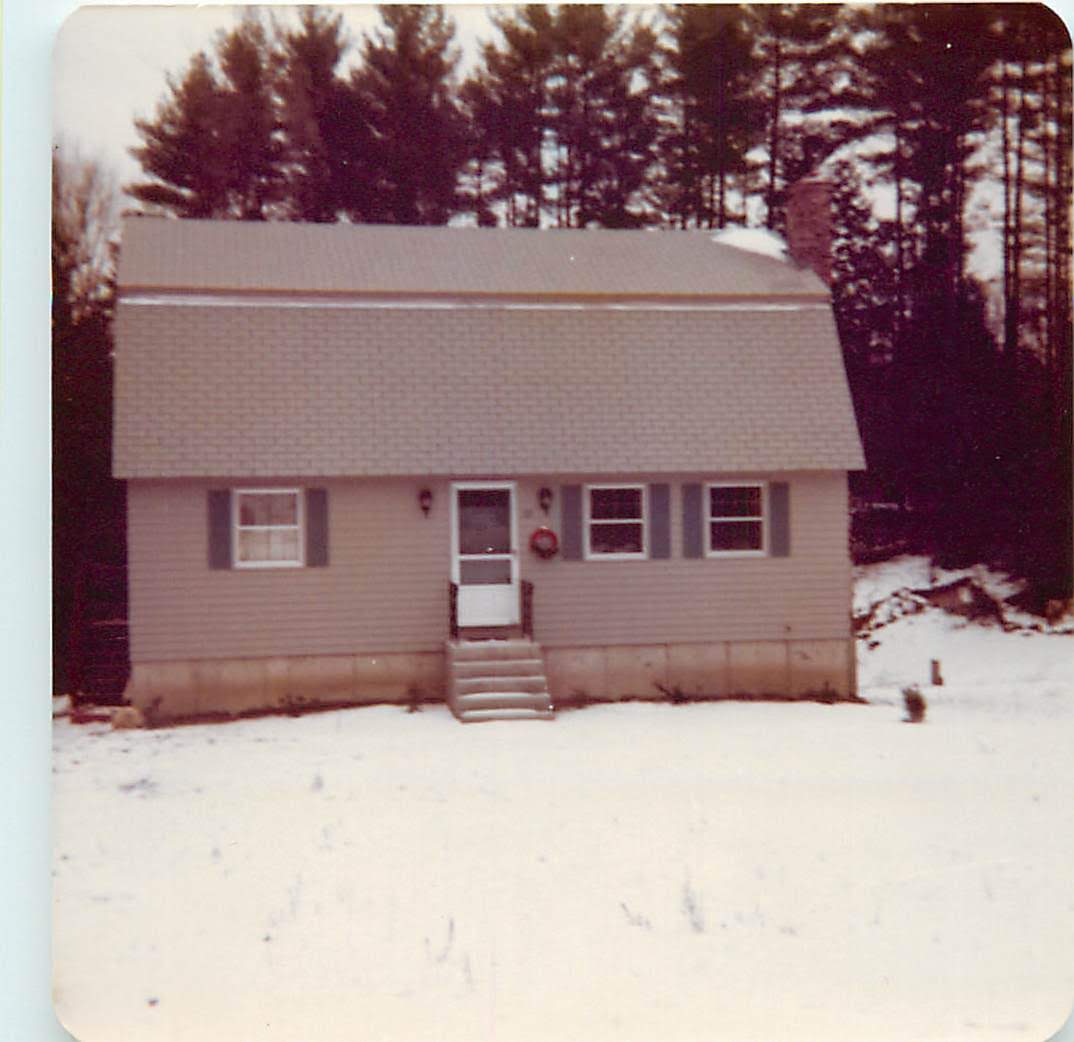
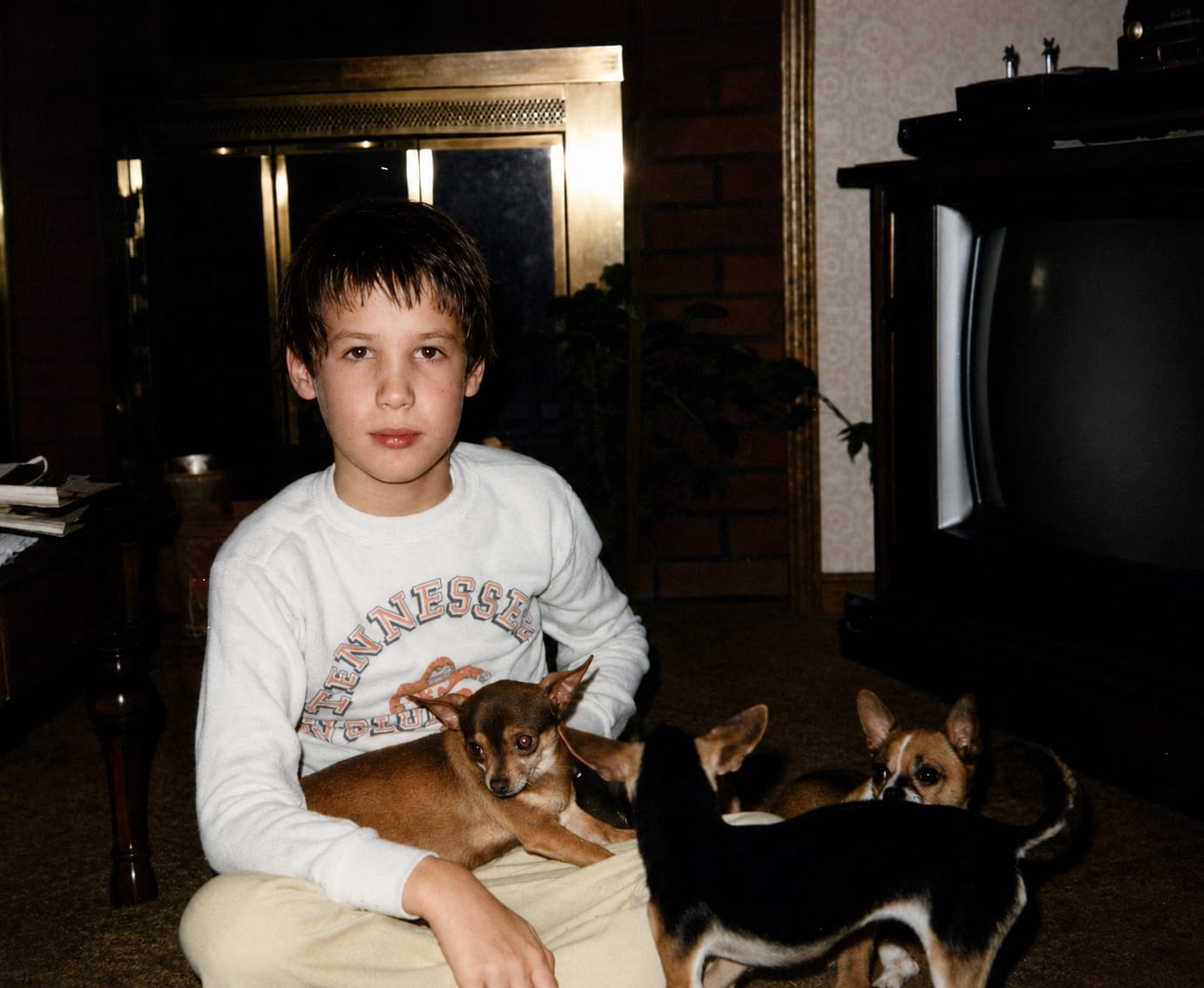
The house. The boy. The dogs.
I think sometimes about that ten-year-old boy. About what his nervous system was like that night — the hypervigilance, the scanning, the reading of the room, the rapid shutdown of his own fear and confusion in order to function. About how he went to bed in the same room where his brother had just been hanging out the window.
There were dogs in that house. I clung to them. It makes sense now in a way it didn’t then — they were the only ones offering what a child actually needs: presence, warmth, attunement, no agenda. The dogs didn’t pretend nothing had happened. They just stayed close.
I wonder sometimes what it would have been like if someone had come into that room that night, sat on the edge of the bed, and said: that was really scary tonight, wasn’t it?
Just that. An acknowledgment. A witness.
That’s what didn’t happen. And that’s exactly what the work is about — not going back to change the past, but giving those younger parts what they needed then, now. Learning, perhaps for the first time, that the feelings are welcome. That what happened actually happened. That the boy matters.
Ready to begin?
If any of this resonates — the patterns, the wall, the younger parts still driving — reach out. This work is some of the most meaningful I do.
Reach out to begin