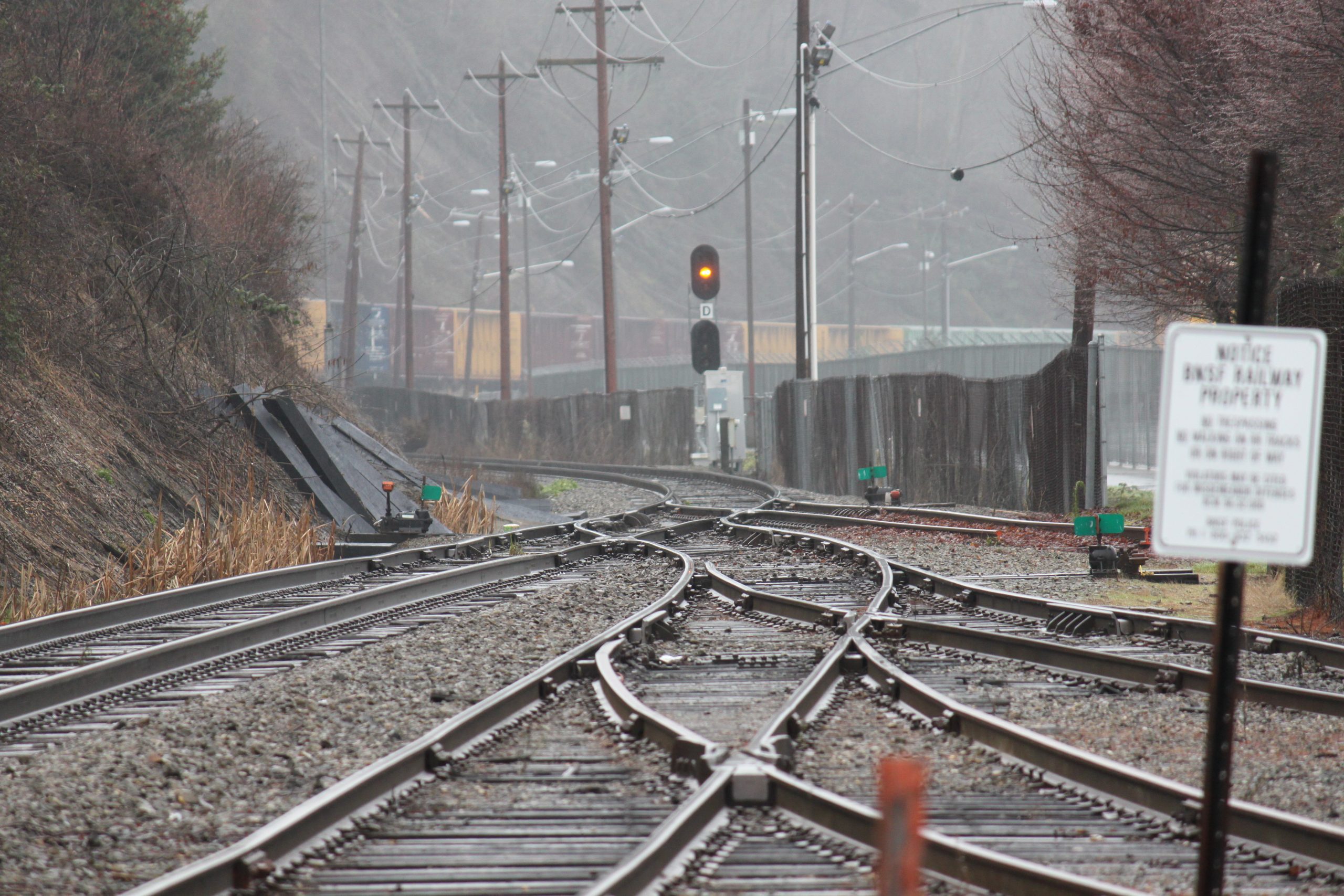
Two people. Same track. Different pace.
Relationship counseling for couples and families who want to understand what’s happening beneath the surface — and move through it together.
Every relationship hits this point.
There’s a moment in most relationships when what once worked stops working. Things get bogged down. The connection that felt easy becomes effortful, and what used to roll off the back now sticks. I’ve never met a couple where this didn’t happen at some point — and there’s a reason for it.
We’re drawn to people who complement our ways of relating — both the functional and the dysfunctional, most of it learned in childhood and modeled by the people who raised us. And because we rarely see our own dysfunctional patterns clearly, we don’t notice when they start driving the relationship. Resentment builds. Annoyance sets in. Then conflict. And usually not conflict that’s kind or constructive.
When that moment comes, one of three things tends to happen: the couple seeks help, they find ways to numb the pain — alcohol, gambling, affairs, distance — or they end the relationship.
“Most people are going to have two or three marriages or committed relationships in their adult life. Some of us are going to have those marriages with the same person.”— Esther Perel
Relationships go through phases because we as individuals change — and when we change, the relationship has to change with us. When it doesn’t, stress and conflict follow. The invitation in that conflict, if we can take it, is curiosity: what is this trying to teach us? Most of the time, though, we respond with blame instead.
Bringing the relationship in for service.
Couples counseling is the opportunity to bring the relationship into the shop — put it up on the lift and do a multipoint inspection. To find out what’s happening under the hood that’s causing the problems.
What we’re looking for are the subconscious forces that shape how each person shows up: the patterns, the unspoken expectations, the younger parts of ourselves that are still at the wheel. Often, when we look under the hood, we find those younger versions driving the bus — and what they’re looking for, usually, is for their partner to be the parent they never had. When that doesn’t happen, things break down.
When both people can approach with curiosity and openness — willing to own their contribution to the dysfunction — remarkable growth becomes possible. The goal is to bring what’s subconscious into conscious awareness, and to build more adaptive ways of relating. Tools for creating intimacy. Scaffolding for rebuilding trust.
Relationships need tending.
Left unattended, even the most well-built connections can become overgrown. The track is still there underneath — the structure, the history, the intention — but it gets harder to see, harder to travel.
The good news is that overgrown doesn’t mean gone. It means it’s time to tend to it. Couples counseling is how you clear the brush and find out what’s actually there.
A few things that make a difference.
- Bring lots of curiosity and leave the blame at home. Even when you’re convinced you’re right.
- Don’t wait until the relationship is on life support. Come in when you first hear the funny noise — when things feel off, not when they’ve broken down completely.
- Both people need to stay committed to the hard work, especially when it starts requiring real soul-searching. That’s exactly when it matters most.
The same work, different cast.
Family counseling follows a similar arc — only the parties may be siblings, parents and adult children, or some combination of both. Different people coming together because they want something different from the relationship they share.
Family counseling provides a safe, slowed-down space to look at what’s happening both explicitly and implicitly — what’s on the surface and what’s underneath it. It can be a genuine gift to give a relationship. Some people know the connection could be better, and they invest in the hard work of improving it. That willingness alone says something important about what they value.
Relationships are hard. Many of us never received much modeling or instruction in how to do them well — so we enter into them and figure it out as we go. Having a trained guide alongside you increases the odds of a different outcome. It doesn’t guarantee it — people are complex, and relationships are more complex still. But showing up is where it begins.
Ready to bring it in for service?
We start with a free 20-minute phone consultation — a chance to talk through what’s happening and see if working together makes sense.
Begin the conversation