“The monsters turned out to just be trees.”
— Taylor Swift, Out of the Woods, 1989As a child, I would often accompany my mother when she brought one of our dogs to the vet. The office was a small cinder block building — cold feeling, institutional. The exam rooms were tiny, with a high narrow window and bright fluorescent lights overhead. Not a warm place.
On the reception counter sat a large glass jar filled with liquid. Inside was a dog’s heart, threaded through with what looked like cooked spaghetti — but they were heartworms. This was the 1980s, when fear was considered a reasonable teaching tool.
The drive there required navigating a dark, winding road up a large hill, lined with huge old trees that closed over the road and made it feel like a tunnel. And the road took you through an enormous pet cemetery — old stone markers stretching as far as the eye could see, on and on, seemingly without end. It was a place filled with dread.
A few years back, I had a thought: an old pet cemetery isn’t going anywhere. So I went back.
I was not prepared for what I found.
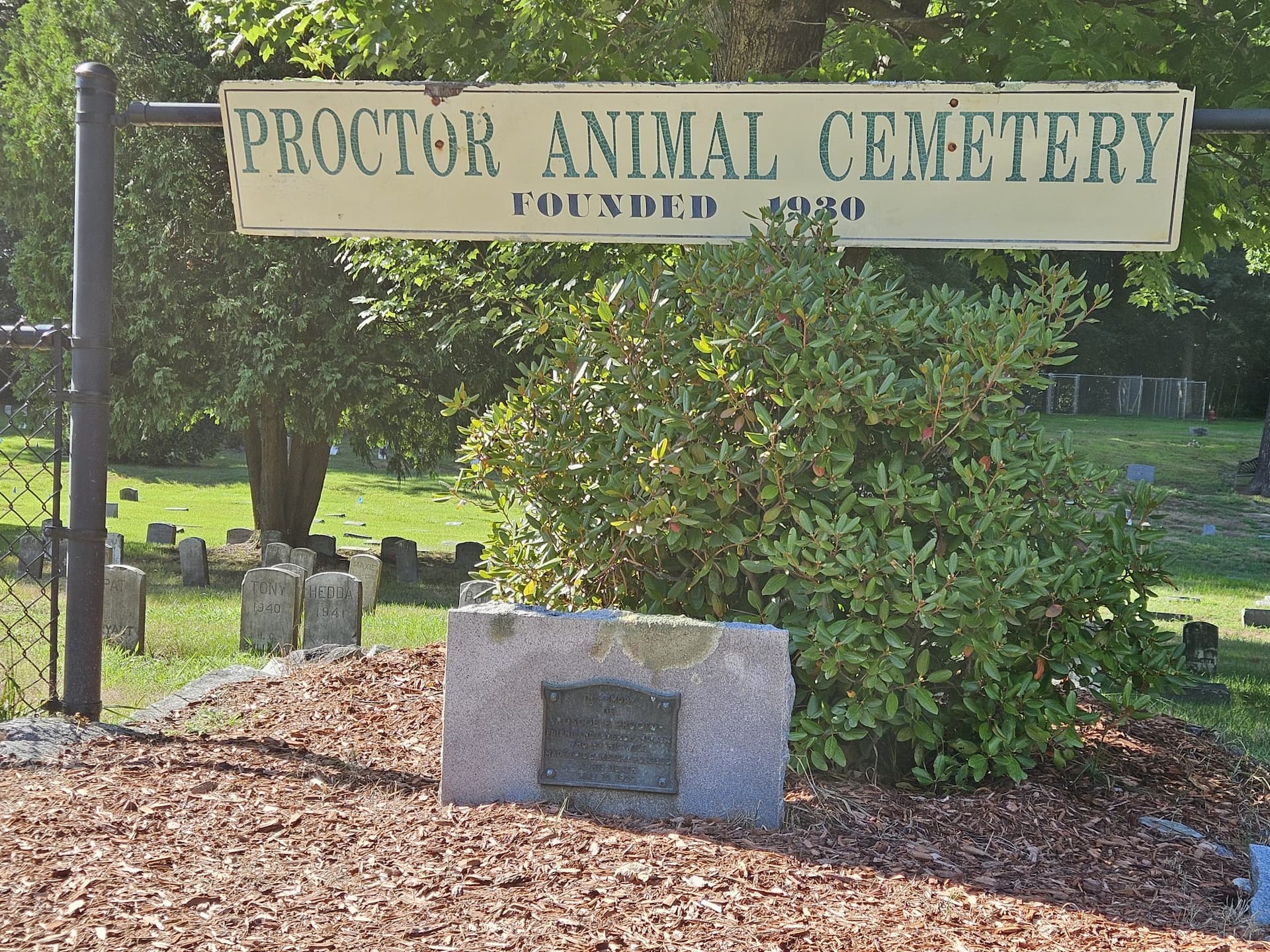
There was no dark winding road. No giant trees closing overhead. The road was short. The land open. Full of light. The cinder block building remains — now housing the Humane Society for Greater Nashua, with a more welcoming façade — but the bones are the same. Inside, the old exam rooms are now visitation rooms where you can spend time with the animals.
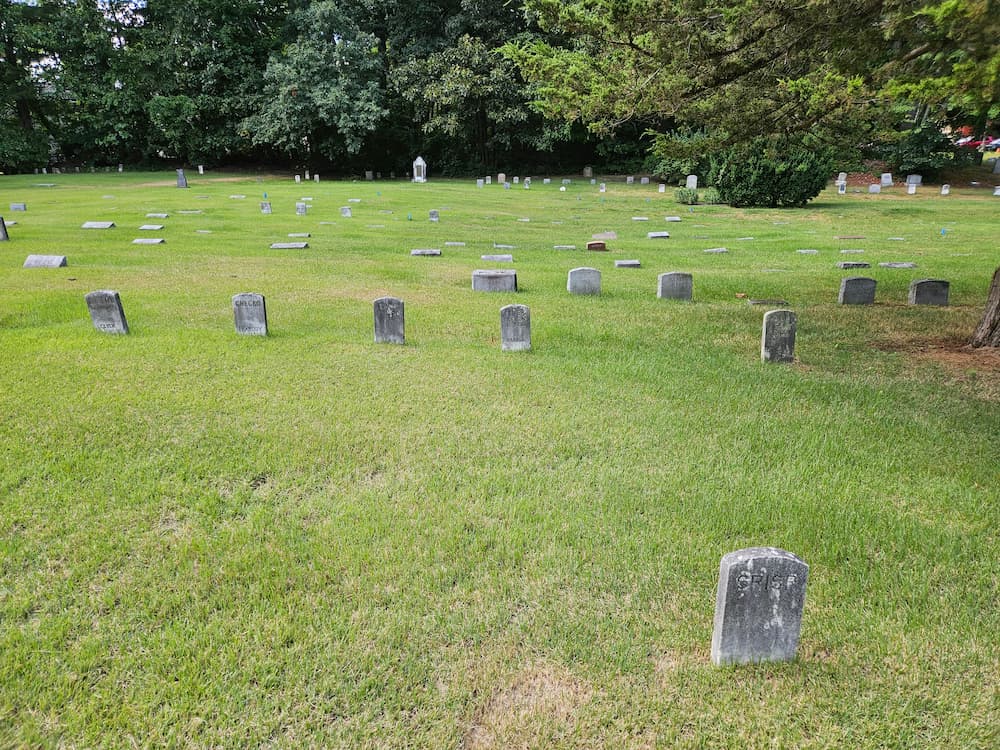
I wandered through the Proctor Animal Cemetery on a beautiful summer day.
The cemetery was founded in 1930 by Mary Jane Kendall, who had established the Humane Society for Greater Nashua thirty years earlier. The land was bequeathed by Roscoe F. Proctor, who left six acres upon his death in 1929 — two of which he set aside specifically for this purpose. The first animal interred was Mrs. Kendall’s cat, Creampot, who died in the Great Nashua Fire of 1930. Creampot’s headstone still stands in its original front-row plot. More than 3,000 animals have been buried here since.
I didn’t know any of that when I was a child, terrified in the passenger seat of my mother’s car — no seatbelt, this being New Hampshire in the 1980s. I only knew it felt endless and dark and full of something I couldn’t name.
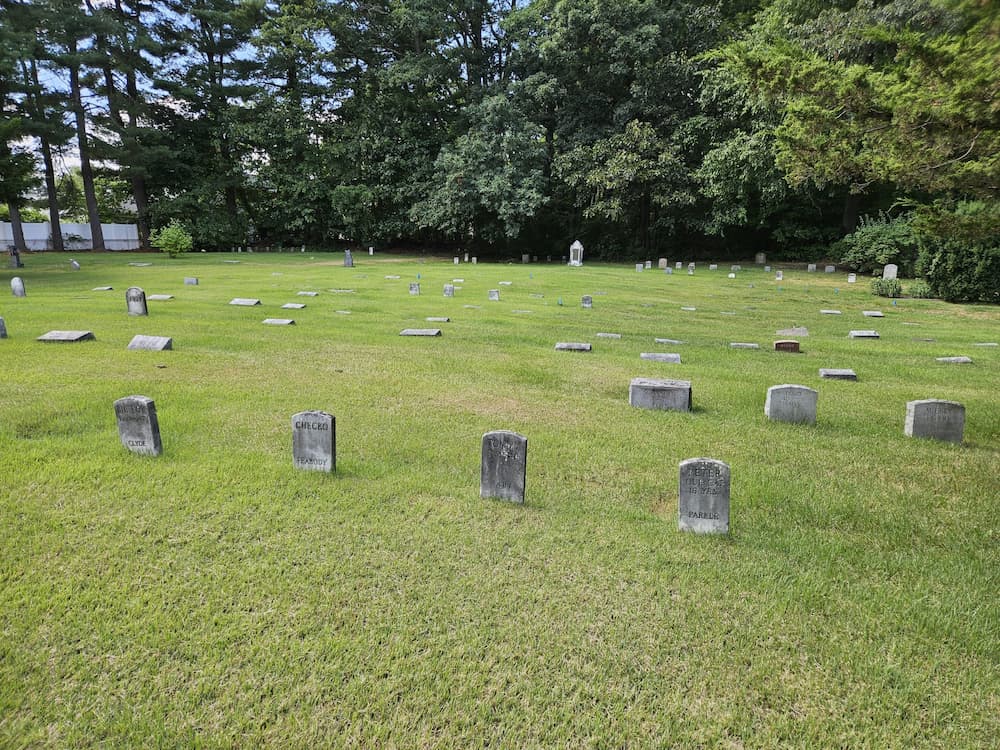
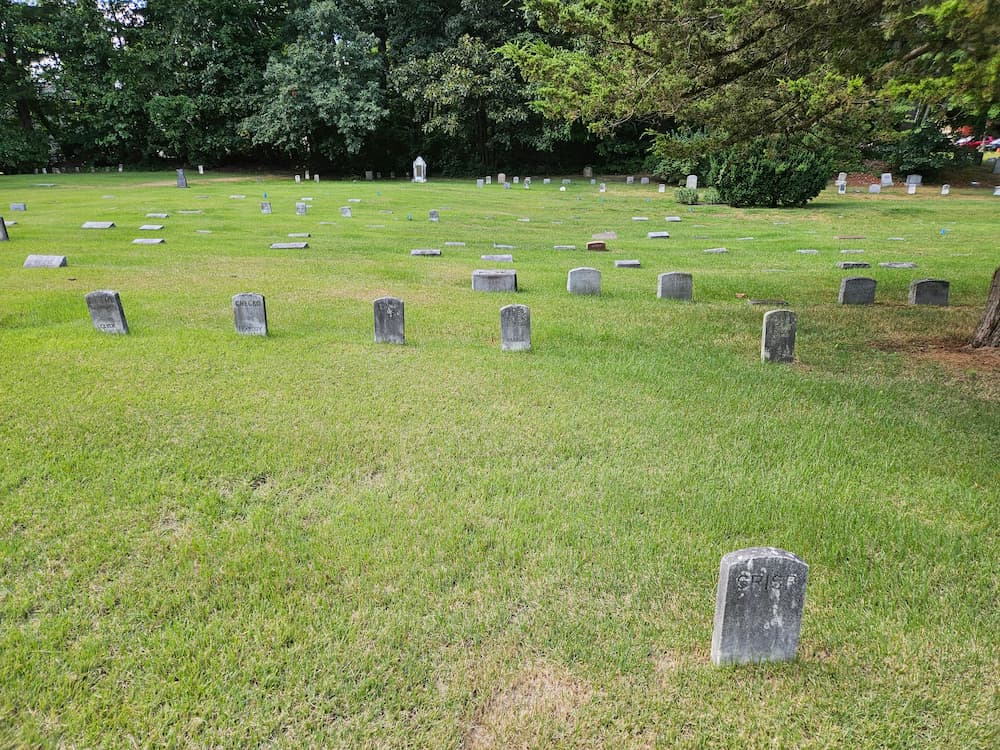
Standing there as an adult on that bright summer afternoon, I understood what I was actually walking through — nearly a hundred years of grief and love, held in two acres of New Hampshire ground. People have been bringing their loss here since 1930. The markers are brief, the way grief sometimes needs to be: a name, a family, a few years. Checko. Peabody. Tommy. Peter. Our cat. 18 years. Parker.
An intense cocktail of grief and love. So much sorrow and so much joy held in the same space.
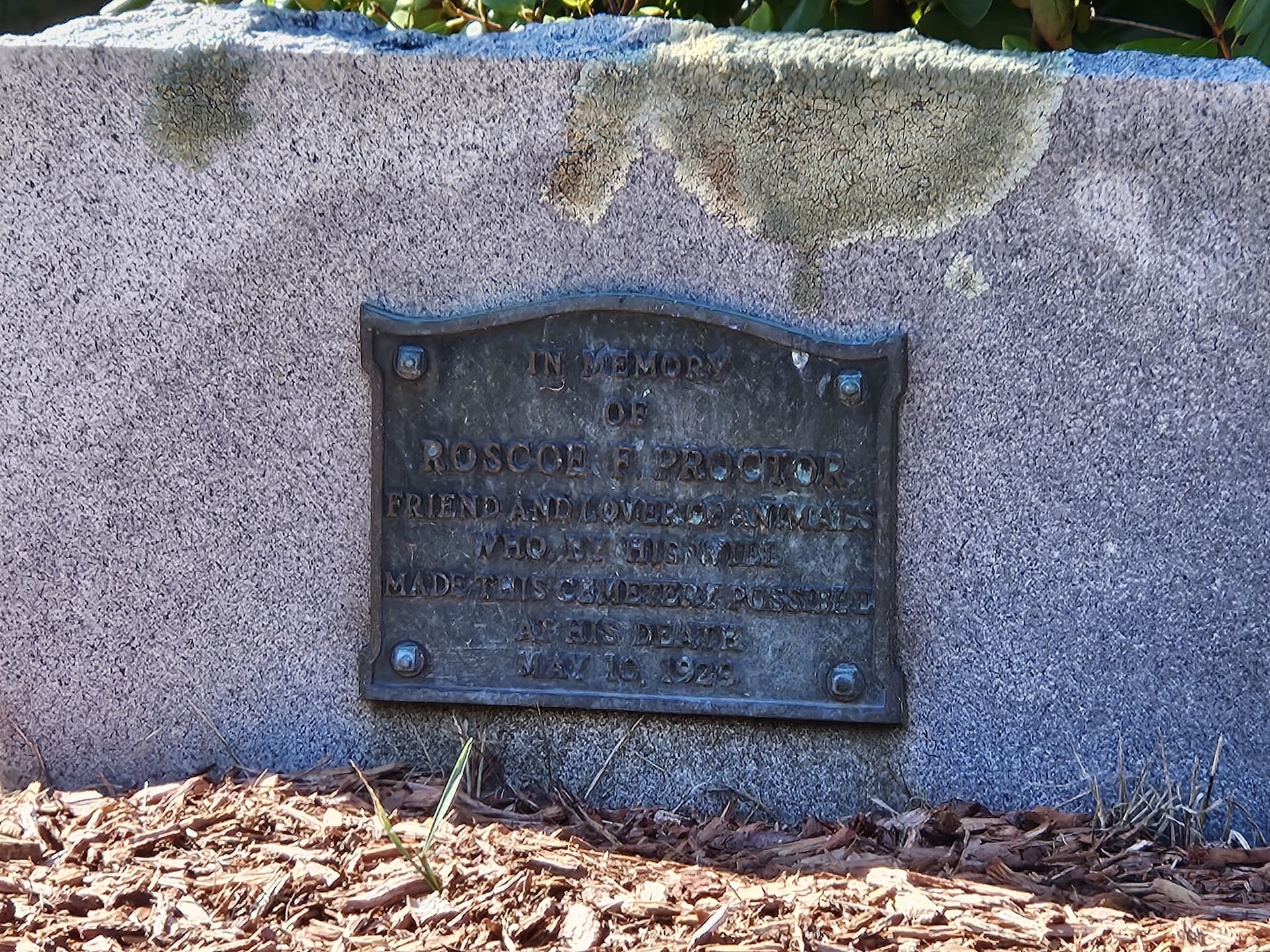
I stood there genuinely shocked. The place bore almost no resemblance to what my memory had stored. And slowly I understood why.
That little boy was scared, overwhelmed, and alone. His dogs meant the world to him. Every trip to the vet carried the terrifying possibility of not coming home with the dog — a bullet dodged each time they did. The closer the car got to the office, the more acute the fear became. And all of that fear, with nowhere to go, got projected outward — onto the road, the trees, the cemetery, the dark.
It was a little boy’s fear, wearing the landscape like a costume.
I look back now with compassion for that child. So alone in those big, overwhelming feelings. And I find myself thinking about how often we carry the memory of a place — or a person, or a situation — as it felt to us then, not as it actually was or is.
There can be great value in going back into the scary places of old. Not to relitigate them. Not to prove anything. Just to look again, with the eyes you have now.
Because in the end, the monsters might turn out to be trees.