Over the past two decades, the field of neuroscience has quietly revolutionized how we understand human suffering. Brain imaging, longitudinal research, and the work of clinicians like Dr. Bessel van der Kolk have given us a window into what trauma actually does — not just to our emotions, but to the physical structure and function of the brain itself.
One of the most important things we now understand is this: trauma accumulates.
How the brain keeps score
Deep within the brain sits the limbic system — the part responsible for basic survival. It is ancient, fast, and not particularly interested in nuance. Its job is to scan the environment for threat, sound the alarm when it finds one, and mobilize the body to respond. It does this job remarkably well.
What the limbic system is less good at is distinguishing between then and now.
“Being traumatized means continuing to organize your life as if the trauma were still going on — unchanged and immutable — as every new encounter or event is contaminated by the past.”
— Bessel van der Kolk, The Body Keeps the Score (p. 53)
The limbic system doesn’t file old threats away neatly under “resolved.” It carries them forward. It learns from them. It builds a threat model from everything we have experienced — personal history, genetics, what our caregivers taught us about safety and danger, what our culture taught us about who can be trusted. All of this becomes a filter through which we interpret everything that happens to us in the present. The challenge is, most of us are not even aware this filter is operating in the background every moment of every day.
Most of us enter adulthood — and into relationships — carrying wounds we may not even fully know are there.
The stories we tell
When something painful happens, the brain doesn’t wait for full information before responding. It reaches for a story — fast, certain, and shaped by everything that came before.
“In the absence of data, we will always make up stories. It’s how we are wired. In fact, the need to make up a story, especially when we are hurt, is part of our most primitive survival wiring… unfortunately, we don’t need to be accurate, just certain.”
— Brené Brown, Rising Strong
And then this, which I return to often:
“The most dangerous stories we make up are the narratives that diminish our inherent worthiness.”
— Brené Brown, Rising Strong
When old wounds are present — unresolved, unexamined — they don’t just color the stories we tell. They flood them. They make the present story larger, more total, more confirming of everything the wounded self already believed about safety, about love, about whether we can be protected.
Two rivers
I want to share something personal here, because I think it illustrates this better than any clinical description could.
Years ago, I was working for an organization I deeply respected. Over time, I became aware that key decision-makers were making choices that I believed were directly harming the clients I was charged with caring for. It was an agonizing situation — made worse by my powerlessness to protect my clients.
In staff meetings, I found myself flooded with emotion. Rage at the organization. An intense need to flee. I was having a genuinely difficult time sorting through what I was feeling and why it was so intense.
In one of those meetings, a colleague and dear friend — someone who knows my history thoroughly — quietly observed: “Of course you do. The people in charge are not protecting the clients. Your wounds of not being safe in childhood, of not having protective caregivers — that’s unfolding right now in this situation.”
I was stunned.
In an instant it all made sense and something shifted deep inside. Not because the harm being done to my clients became less real — it didn’t. Not because my anger became less valid — it was valid. But because I could suddenly see what was happening more clearly.
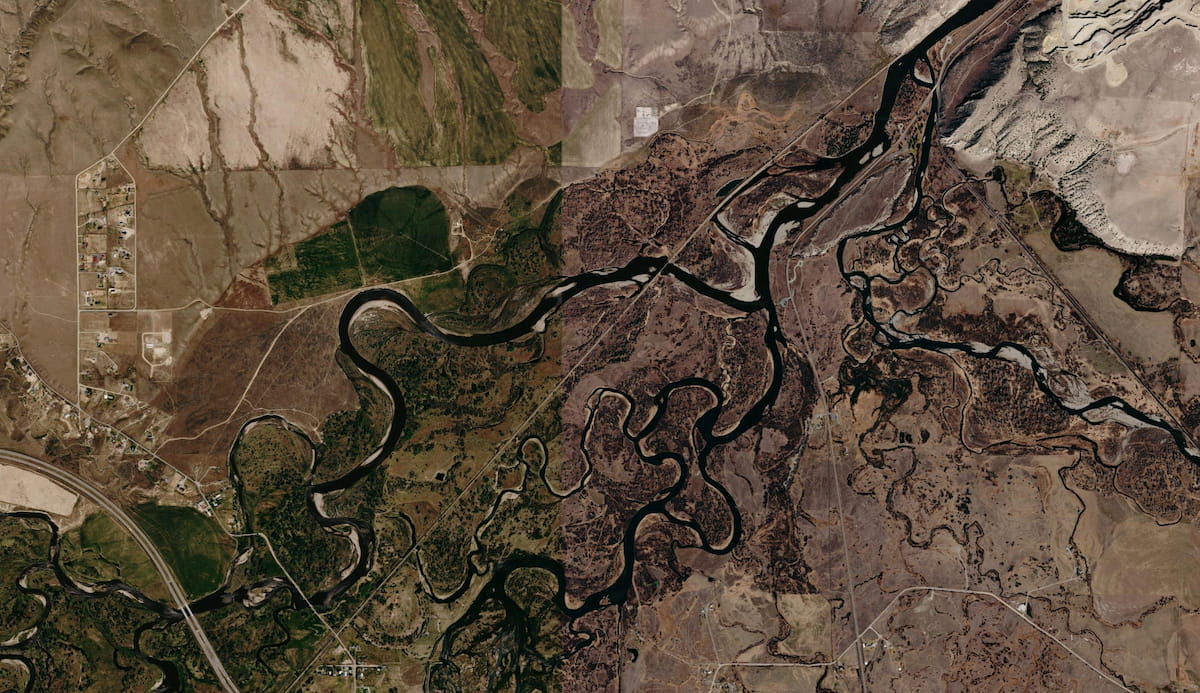
It was like two branches of a river converging into one. One river was the situation at hand — real, harmful, worthy of every ounce of concern I had. And flowing into it was another river, older and in some ways more powerful: the river of my own unresolved childhood wounds, where I had learned early that those charged with providing protection could instead provide harm.
Where the two rivers met, the current became enormous.
My friend’s words didn’t diminish the first river. They helped me see the second — and in seeing it, I could begin to address them separately. That separation was some of the most important work I have done.
Both/and, not either/or
This is what I want you to hear, especially if you are in the aftermath of betrayal trauma right now:
The pain you are feeling is real. It is valid. It was caused by your partner’s actions. It is not your fault.
And: most of us arrive at the hardest moments of our lives already carrying wounds. Wounds from previous relationships. From childhood. From losses we never fully grieved. Those wounds don’t stay separate when something devastating happens. They get activated. They flow into the present pain and amplify it.
This is not a diminishment of what happened to you. It is not an excuse for your partner. It is not a suggestion that you are overreacting.
It is an invitation — when you are ready, with support — to tend to what is yours. To separate the rivers as best you can. To understand that the intensity of what you are feeling may be fed by more than one source, and that understanding this gives you more clarity, more agency, and ultimately more freedom.
Both rivers are real. One does not diminish the other.
This is a both/and. Not an either/or.
If this resonates and you’d like to explore what your own rivers might look like, I’d be glad to be part of that conversation. You can reach me at begin@redeemingstories.com.